
10 Leaders Who Made Defining Moves in Emerging Markets This Quarter
WEVN's quarterly list recognises decisions, not reputations. Each leader below made a verifiable move between July and September 2026 that says something about where business in Africa and the Middle East is heading.

WEVN Editorial
Editorial
11 min read
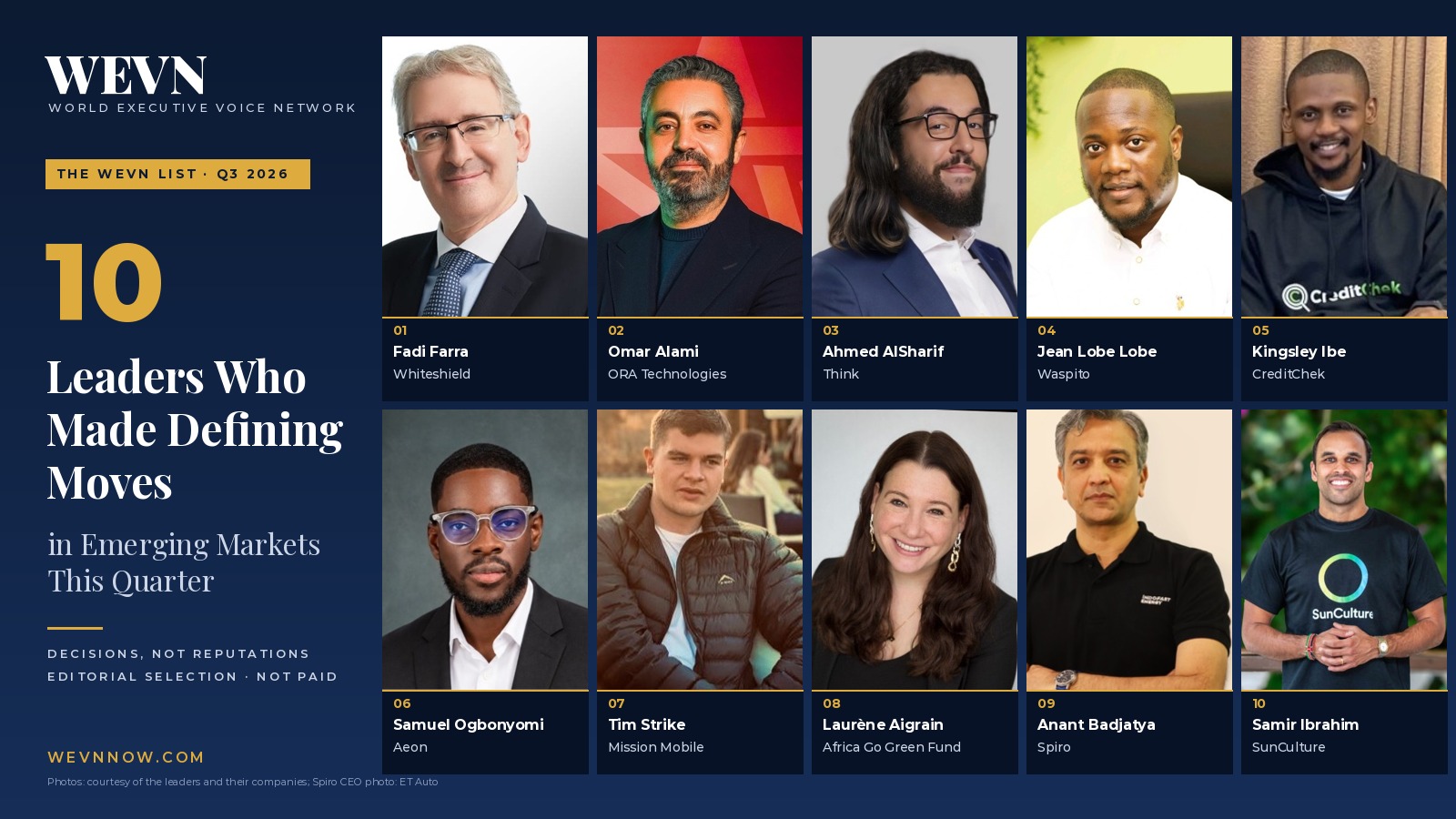
Photos: courtesy of the leaders and their companies; Spiro CEO photo: ET Auto
How we selected this list. Every entry is based on a publicly reported decision from July to September 2026, confirmed by at least two independent sources where available and linked below. Selection is editorial. No one on this list paid to be included, and entries are ordered by date, not ranked.
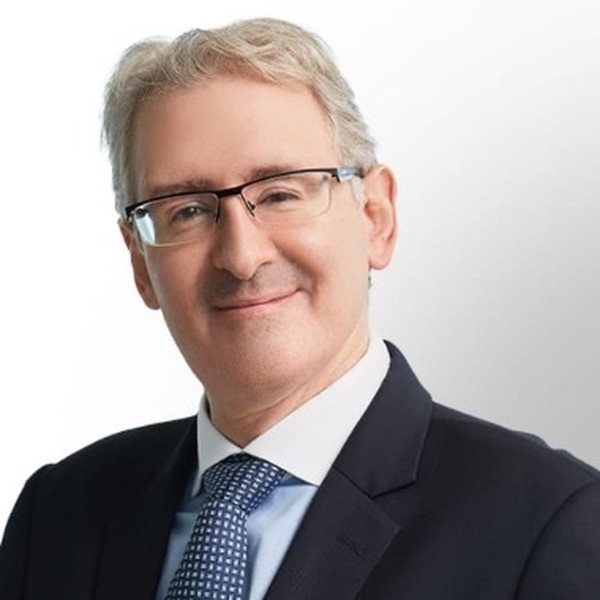
Fadi Farra
CEO & Founder, Whiteshield (UAE / Saudi Arabia)
Fadi Farra founded Whiteshield in London in 2011 as an economic and policy advisory firm, drawing on his own background as a former OECD official and economic adviser to the Prime Minister of Kazakhstan; he still teaches competitiveness policy at the Harvard Kennedy School. Whiteshield has since built out a second identity alongside its advisory practice: a self-described sovereign intelligence platform that pairs proprietary data and public-policy expertise with AI decision-support tools for governments, multilateral institutions and large enterprises.
In July, Whiteshield secured a $15 million private credit facility from Ruya Partners to fund that platform's build-out — its seventh investment from Ruya's flagship private-credit fund, and the firm's first in the sovereign-intelligence sector specifically. Whiteshield says the capital will go toward expanding the technology platform, deploying additional AI products and accelerating international expansion.
Choosing debt over another equity round lets Whiteshield scale without diluting ownership, a structure more Gulf-region companies selling into sovereign and institutional clients are now reaching for instead of the venture path. Farra framed the deal as a bet on direction rather than current scale: Ruya, he said, "structured their capital to back where we're going, not just where we are — a rare kind of backing in this region."
Sources: Wamda · Zawya · GCC Business News
- LinkedIn —Fadi Farra
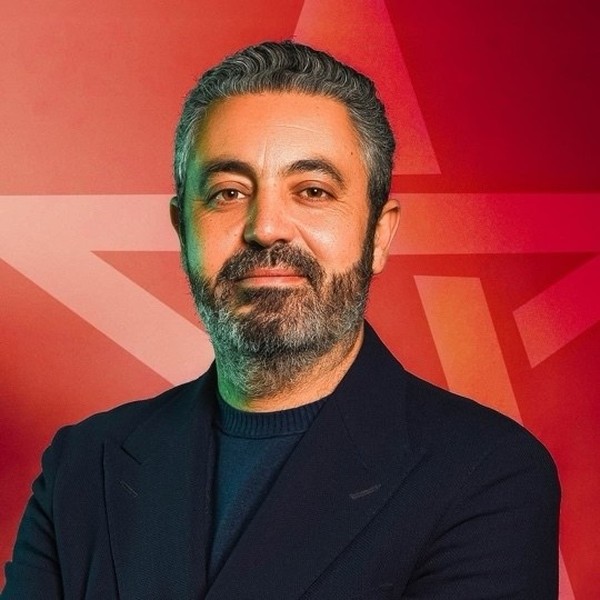
Omar Alami
Founder & CEO, ORA Technologies (Morocco)
Omar Alami founded ORA Technologies in 2023 to build a single consumer app around three things Moroccans otherwise reach for separately: food delivery, through its KOUL platform; a digital wallet and contactless payments, through ORA Cash; and on-demand commerce more broadly. In two years it has become one of the more closely watched scale-ups in the country's app economy.
In July, ORA added a further $2 million to its Series A, taking the round to $10 million — and every dollar of it came from Moroccan investors. Wamda, which broke the story, described it as one of the country's largest fully locally funded early-stage technology rounds to date. The company said the fresh capital would go toward growing KOUL and expanding ORA Cash's reach in online and contactless payments.
A round financed entirely by domestic capital, at this size, is itself the headline: it signals that Morocco's own investor base now has the depth to fund a startup through a full Series A without reaching for Gulf or European money. Alami has pointed to that domestic-first path as central to ORA's pitch — building the infrastructure to bring e-commerce and digital payments to a broader slice of Moroccans, financed by the market it's built for.
Sources: Wamda · allAfrica · Medias24
- LinkedIn —Omar Alami
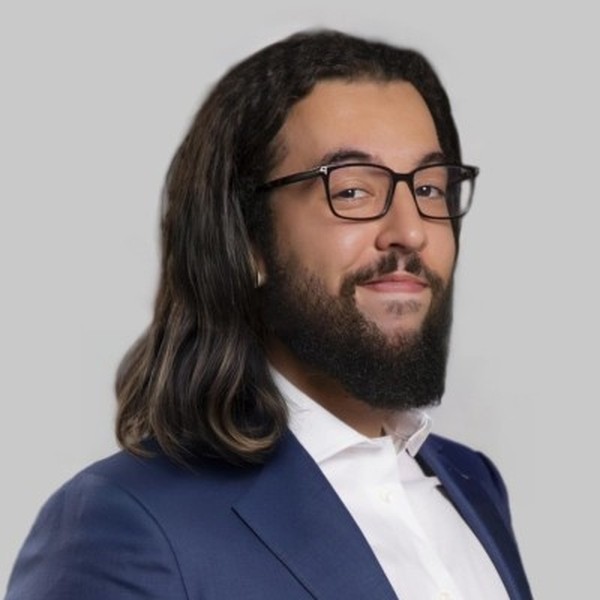
Ahmed AlSharif
CEO & Co-founder, Think (Saudi Arabia)
Ahmed AlSharif, a former Meta executive, co-founded Think with enterprise-technology veteran Ammar Enaya to build AI infrastructure that pairs high-density computing hardware with proprietary orchestration software. The pitch is efficiency and control: better GPU utilisation, lower deployment costs, and an architecture that lets organisations keep their security and data sovereignty in-house rather than handing it to an outside cloud.
In July, Think raised more than $8 million in a pre-seed round co-led by RAED Ventures and Wa'ed Ventures, with Dhahran Techno Valley's venture arm and several strategic angel investors also participating. The company describes it as the largest AI-infrastructure and deeptech pre-seed round in the MENA region to date. The capital is earmarked for product development, manufacturing, team expansion and commercial growth across Saudi Arabia, the wider GCC and select international markets.
The bet underneath the round is regional rather than purely commercial: that Gulf governments and enterprises will increasingly want to build and own AI compute capacity rather than rent it from the handful of global hyperscale cloud providers that currently dominate the market — and that Think can be the infrastructure layer that makes owning it practical.
Sources: Wamda · RAED Ventures · Sharikat Mubasher
- LinkedIn —Ahmed AlSharif

Jean Lobe Lobe
Founder, Waspito (Cameroon, Côte d'Ivoire)
Jean Lobe Lobe is self-taught in computer science, with an accounting degree from Oxford Brookes and a career that ran through a Cameroonian bank, an audit firm and the national airline before he founded a holding company in 2016. Waspito, which he launched at the start of 2020, traces back to a personal loss: his father died of a heart attack while being transported to the nearest city with a cardiologist, in a country where that kind of access is not guaranteed. Waspito is his answer — a health-focused platform built to put a doctor, a lab and a pharmacy within reach of a phone call rather than a journey.
In September, Waspito won the $250,000 Grand LEAP Award at the Rocket Fuel Pitch Competition during LEAP 2026 in Riyadh. By the company's account, it is the first African startup to take the competition's grand prize. The platform now connects roughly 1.1 million patients with more than 2,100 doctors and over 500 healthcare providers across Cameroon and Côte d'Ivoire, offering video consultations, at-home sample collection and medication delivery.
A win of this size, on a global stage, is as much a signal as it is a cheque: it says African healthtech platforms can now compete directly against better-funded entrants from outside the continent, on the strength of the product rather than the size of the balance sheet behind it.
Sources: Business in Cameroon · Tech In Africa · TechCrunch
- LinkedIn —Jean Lobe Lobe
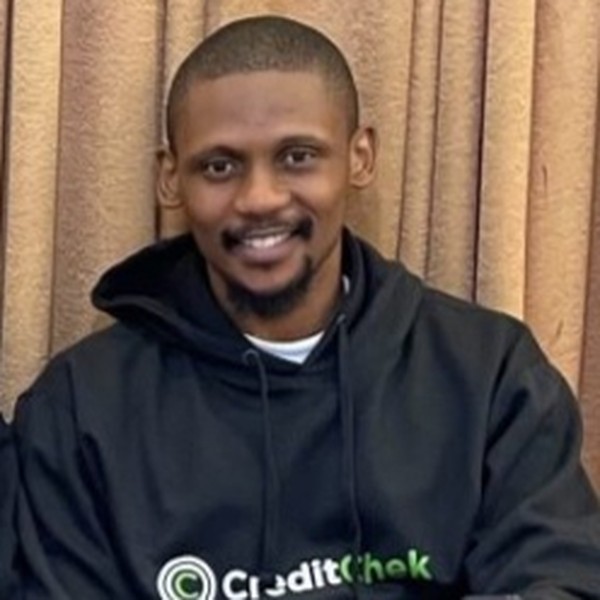
Kingsley Ibe
CEO & Co-founder, CreditChek (Nigeria → Uganda)
Kingsley Ibe co-founded CreditChek with Lionel Orishane in 2021 to sell credit infrastructure to Nigerian lenders — not just raw credit data, but the plumbing underneath it. The company has processed more than $60 million in credit applications and reached profitability in Nigeria, and earlier this year it raised $600,000 specifically to fund an East African expansion it had been signalling for months.
In September, that expansion arrived as an acquisition rather than a greenfield build: CreditChek bought Algosys, a Ugandan startup supplying core banking software to lenders, savings and credit cooperatives (SACCOs) and microfinance institutions. Algosys, founded around 2024 by Innocent Bigega and Simon Tayebwa, already served 22 financial institutions in Uganda and had facilitated more than 10,000 SACCO loans. The price was not disclosed, and Algosys will operate as a CreditChek subsidiary.
Buying a company with 22 existing institutional clients gives CreditChek local relationships and regulatory familiarity on day one that would have taken far longer to build from Lagos outward. Ibe has framed the deal as a move up the value chain — from supplying lenders with data toward building the infrastructure that lets them acquire customers, assess risk, originate loans and manage them through their full lifecycle. Orishane, for his part, has been candid about the harder part of the expansion: "East Africa is not one market; every country has its own financial behaviour."
Sources: TechCabal · Disrupt Africa · WEVN brief
- LinkedIn —Kingsley Ibe
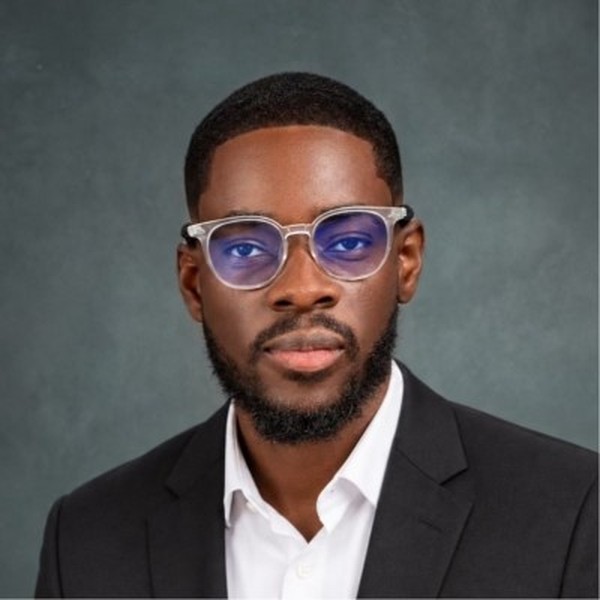
Samuel Ogbonyomi
CEO, Aeon (Nigeria)
Samuel Ogbonyomi co-founded Aeon in February 2026 with Ben Eluan and Alex Idowu, former engineers at cloud-infrastructure company PipeOps who had spent their prior careers building the systems they now want to defend. Aeon builds cybersecurity for the organisations that can least afford to get it wrong: banks, energy companies, governments and militaries running critical infrastructure across Africa and the wider Global South. The product has two halves — Aeon Edge, a hardware device that secures networks at the perimeter, and Aeon Console, an AI-powered portal that monitors and fixes vulnerabilities across code, cloud and endpoints.
In September, Aeon raised $1 million in a pre-seed round led by Terra Industries, with Resilience17 — the early-stage firm founded by Flutterwave CEO Olugbenga Agboola — joining alongside DFS Labs, Kaleo Ventures, Seedstars and Ajim Capital.
As banks and infrastructure operators across the region digitise faster than their security budgets can keep up, protecting that infrastructure is becoming a distinct market of its own — and Ogbonyomi is building the case that it should be built from Africa, for the threat model Africa actually faces, rather than retrofitted from products designed elsewhere. "We built Aeon so a bank or a grid operator can see and fix its whole attack surface from one place," he has said of the product.
Sources: Tech In Africa · TechMoran · Dealroom
- LinkedIn —Samuel Ogbonyomi
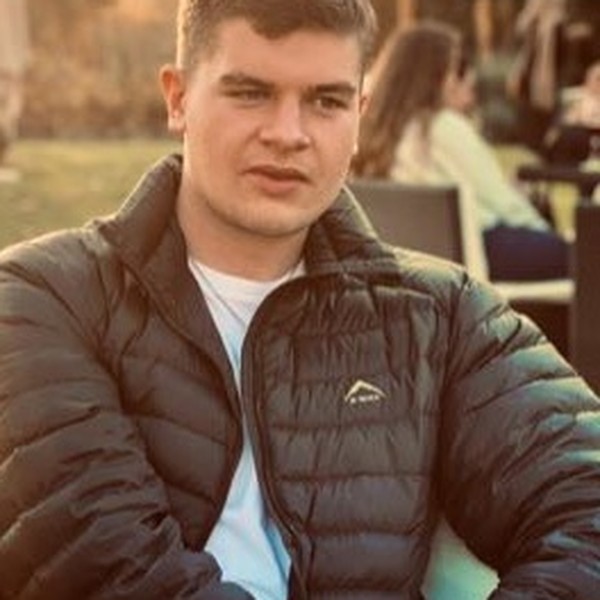
Tim Strike
CEO & Co-founder, Mission Mobile (South Africa)
Tim Strike co-founded Mission Mobile with his brother Adam Strike in 2023 to solve a specific gap: the millions of South African mobile users who want a smartphone but don't fit the profile a traditional credit check is built to approve. The company's platform, Beam, reads how a prospective customer earns and spends to decide who is actually a reasonable financing risk, rather than relying on a formal credit file many of them don't have. Mission Mobile works through mobile network operators, offering device financing over 12- to 48-month terms, and its DataBack Device proposition bundles a handset with data and connectivity benefits aimed squarely at prepaid users.
In September, the company secured up to R500 million from investment group DN Invest (DNI), funded from DNI's own resources and ring-fenced debt facilities, to scale that model further.
The target market is enormous by Strike's own account: more than 80% of South Africa's mobile connections remain prepaid, spread loosely across multiple SIMs with little loyalty to any one network. "Customers are often spread across multiple SIMs, with little commitment to any one network," he said. Device financing, in that context, isn't just a product — it's a mechanism for operators to turn a loosely attached prepaid user into a committed one. Mick Silke, CEO of DNI's financial services business, put the backing in founder terms: "Tim, Adam and their team recognised an opportunity to help mobile network operators serve millions more people and built the technology to make that possible."
Sources: ITWeb · BusinessDay · WEVN brief
- LinkedIn —Tim Strike

Laurène Aigrain
Managing Director, Africa Go Green Fund
Laurène Aigrain is managing director of Africa Go Green Fund (AGG), a debt fund backing electric-mobility and clean-energy infrastructure on the continent. In September, she led the fund's decision to add $18 million in financing for Spiro, the electric-motorcycle and battery-swapping operator — doubling AGG's total commitment to the company to $36 million and earmarking the new capital specifically for Spiro's expansion in Uganda and Rwanda.
A lender doubling its exposure, rather than simply rolling over an existing facility, is one of the clearer confidence signals available in private credit: it means the fund has watched the business perform against its first commitment and chosen to underwrite more of it. Aigrain was direct about that reasoning: "Our decision to increase AGG's investment in Spiro reflects the strong progress the company has made since our initial investment and our continued confidence in its growth potential. By making electric mobility solutions more accessible and affordable, Spiro is tackling two critical challenges at once: cutting transport emissions and giving riders a smarter, more cost-effective way to move. We are proud to deepen our partnership with Spiro and support its next phase of growth in East Africa, specifically Uganda and Rwanda."
Sources: EMobility+ · Tech In Africa · Pulse2
- LinkedIn —Laurène Aigrain
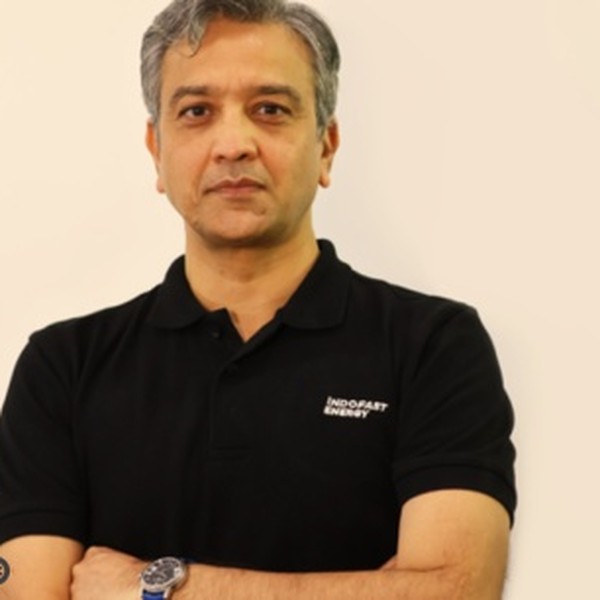
Anant Badjatya
Group CEO, Spiro (East Africa)
Anant Badjatya was appointed group CEO of Spiro in June 2026, a week after the company closed $215 million in fresh equity funding. He arrived with more than two decades of experience scaling mobility, energy and industrial businesses across India, the Middle East and Africa, most recently as the executive overseeing Indofast Energy — a joint venture between IndianOil and SUN Mobility — where he ran a network of more than 1,800 battery-swapping stations serving roughly 90,000 vehicles a day.
At Spiro, he now directs strategy across battery swapping, vehicle leasing, logistics, energy services and manufacturing for one of Africa's largest electric-mobility operators, which has deployed more than 100,000 electric motorcycles and over 2,500 battery-swapping stations across markets including Benin, Togo, Rwanda, Uganda, Kenya and Nigeria. The additional $18 million Africa Go Green Fund committed in September — doubling its total financing to Spiro to $36 million — is earmarked specifically for deploying more motorcycles and swap stations in Uganda and Rwanda under his direction.
Spiro's scale makes it one of the clearest live tests of whether electric mobility can work as a commercial business in African cities rather than a subsidised pilot, and Badjatya's appointment reads as a bet on operating discipline: a leader hired specifically for his record running battery-swap infrastructure at volume, brought in just as the company scales past its venture-stage roots.
Sources: TechCabal · IntelliNews · EMobility+
- LinkedIn —Anant Badjatya
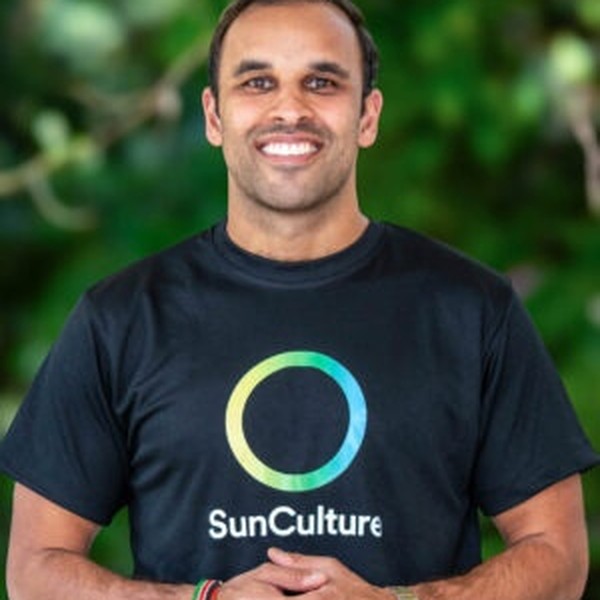
Samir Ibrahim
Co-founder & CEO, SunCulture (Kenya)
Samir Ibrahim co-founded SunCulture to sell Kenyan farmers something the market had priced out of reach: solar-powered irrigation, paid for in instalments rather than upfront. Since 2012 the company has sold more than 85,000 solar irrigation systems and pumps, and in September it closed a $10 million securitisation of the receivables those instalment payments generate, arranged with Mirova's Gigaton Fund through a dedicated special-purpose vehicle that buys the receivables from SunCulture Kenya, with Kaleidofin acting as portfolio monitoring agent. It follows a $15 million receivables financing structure the company put in place in September 2025.
For a pay-as-you-go business, growth is expensive in a specific way: every new customer is capital lent out before it's repaid, which ties up cash that could otherwise fund the next installation. Securitising the receivables turns that loan book into a financeable asset in its own right, letting SunCulture recycle capital into new systems instead of waiting on the full repayment schedule — and reducing how often it has to return to equity investors to fund expansion.
Ibrahim has described the company's core bet in blunt terms: "Access to irrigation in Kenya has never been limited by farmer demand. It has been limited by the lack of affordable, scalable solutions." The securitisation is a financing answer to that constraint, and its performance will ultimately turn on the same thing the underlying lending always does — whether farmers keep paying their instalments as the book grows.
Sources: Launch Base Africa · Ecofin Agency · WEVN brief
- LinkedIn —Samir Ibrahim
Know a leader whose decision deserves a place in next quarter's list? Nominations: editor@wevnnow.com. Inclusion is editorial and cannot be purchased.
Photos: courtesy of the leaders and their companies; Spiro CEO photo: ET Auto.
- #top 10
- #emerging markets
- #Q3 2026
Keep reading
Related Articles
Top 10 Leaders Shaping Global Business in 2026
Our annual roundup of the executives whose decisions this year will still be visible in their industries in five. Selected by the WEVN editorial desk for operating judgement rather than profile.
21 min read
Top 10 Technology Operators to Watch This Year
Not the founders with the largest rounds. The operators quietly making the infrastructure, governance and deployment decisions that the rest of their sectors will copy within two years.
14 min read
CreditChek Buys Uganda's Algosys, Betting That Lenders Want More Than Data
The Nigerian credit infrastructure company is using an acquisition, not a greenfield launch, to enter East Africa.
1 min read
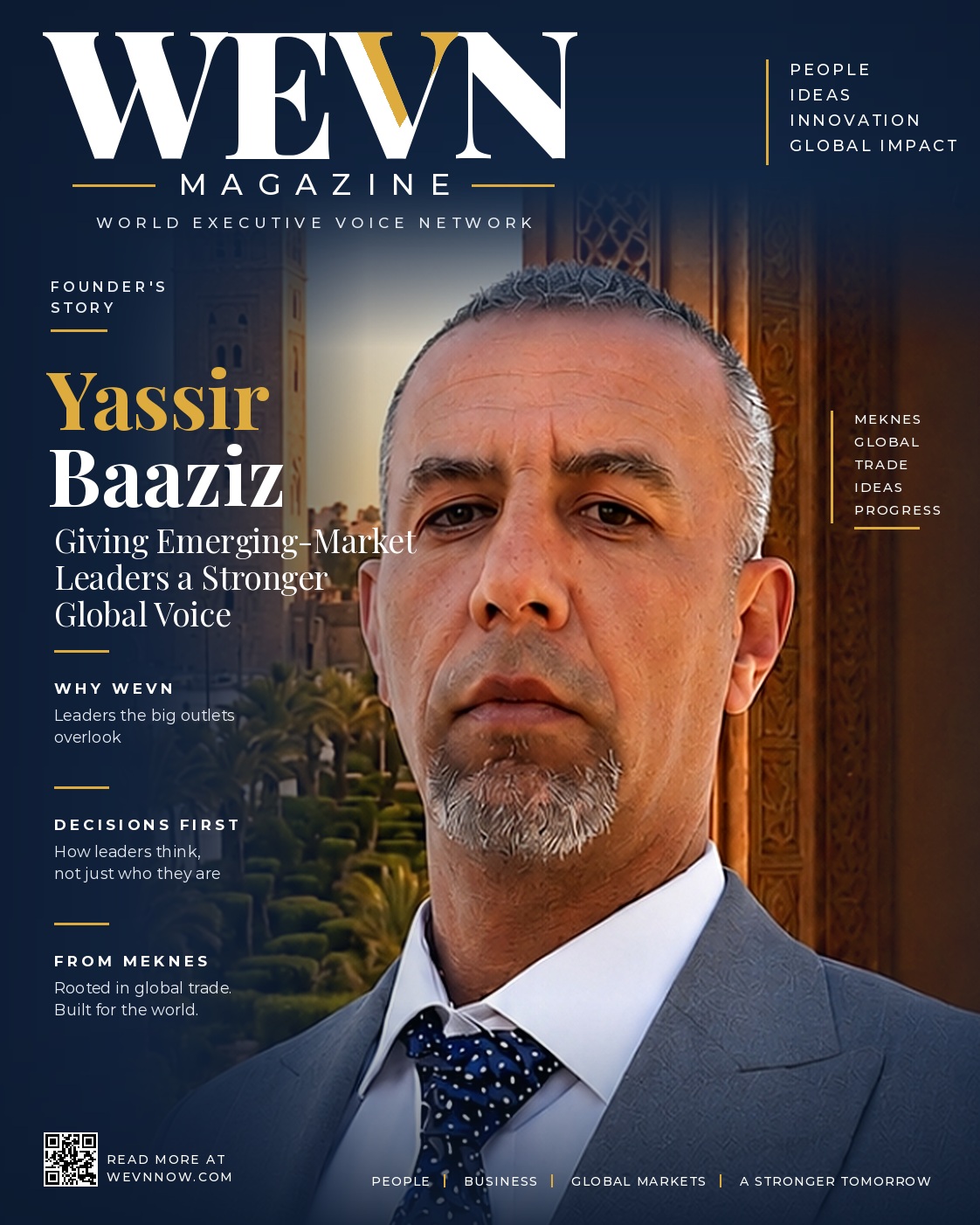
Yassir Baaziz Built His Career on Global Trade. Now He Is Building a Voice for the Leaders Who Drive It.
The founder of WEVN on why the executives running the world's fastest-changing markets deserve better coverage, and why decisions matter more than biographies.
3 min read